vegetables are cooked to perfection. So you do not get half cooked lentils or mushy pasty vegetables. It is also an easy method of making sambar recipe.
I usually add a mix of vegetables from the list mentioned below or just one vegetable in the sambhar. In this sambar recipe, I have added drumstick, okra, pumpkin, carrots, brinjals, french beans and small onions (shallots or pearl onions).
How is it made :
x
Shares
2.3k
What is Sambar
Sambar is a South Indian lentil and vegetable stew made with pigeon pea lentils, tamarind and a unique spice blend called sambar powder. It is a staple dish in South Indian homes and is also equally popular and loved by many.
A basic sambar recipe will have a mix or one or two types of vegetables along with lentils, tamarind, sambar powder and a few spices.
A good sambar powder always yields a good and tasty sambar. so when you make it, try to have a good aromatic sambar powder.
You can also use your favorite brand of sambar powder. I make Sambar Powder at home and I feel homemade sambar powder gives the best and perfect taste in sambar.
If you live outside India and are new to Indian cuisine, then you can find Sambar powder online on amazon or you even find it in an Indian grocery store.
It is healthy as well as nutritious being rich in protein and also other nutrients like vitamins, minerals etc as its made from both lentils and vegetables. Sambar served with rice or idli makes up for a complete meal.
I usually make sambar with this recipe as it is a foolproof method – where both the lentils and vegetables are cooked to perfection. So you do not get half cooked lentils or mushy pasty vegetables. It is also an easy method of making sambar recipe.
I usually add a mix of vegetables from the list mentioned below or just one vegetable in the sambhar. In this sambar recipe, I have added drumstick, okra, pumpkin, carrots, brinjals, french beans and small onions (shallots or pearl onions).
How is it made
A basic South Indian sambar recipe is made by cooking vegetables and lentils separately. The lentils are cooked till it is mushy and then mashed.
Cooked vegetables, mashed dal, tamarind pulp and sambar powder are mixed together and then simmered for some minutes.
Later a tempering is done of oil (or ghee) with mustard seeds, curry leaves, asafoetida (hing) and dry red chilies. This tempering or tadka is added to sambar.
Together with the basic method of making this dish, there are many other regional variations. Sometimes a ground paste of coconut with spices is added.
The kind of spices and their proportions vary with the regional variations. So no two sambar recipes will taste the same as the ingredients and vegetables used differ and vary.
The vegetables can be steamed or boiled in water. According to my experience, when the vegetables are cooked or boiled in water, the broth or stew becomes very flavorful.
The sambar made this way has better flavors as compared to the sambar made with steamed vegetables.
My recipe follows the method of cooking vegetables in water, that makes for a flavorful stew. So when all the elements of the dish come together, what you get is a really delicious complexly flavored sambar recipe.
INGREDIENTS :
This recipe includes a series of preparations, that are all assembled later together. So you need to make the tamarind pulp, cook vegetables and lentils. Lets begin.
1. Before we begin making sambar, it always helps to soak tamarind in water earlier. So soak 1 tablespoon tamarind in ⅓ cup hot water for 20 to 30 minutes.
Once the tamarind gets soft, then squeeze the tamarind in the water itself. Discard the strained tamarind and keep the tamarind pulp aside.
Rinse ½ cup tuvar dal (100 grams) a couple of times in fresh and clean water. You can use a strainer to rinse the lentils.
For quick cooking of the lentils you can opt to soak them for an hour prior to cooking.
I recommend to make your sambar recipe with unpolished tuvar dal for a really good taste and more nutrition.
Drain all the water and add the dal in a 2 litre stovetop pressure cooker. Also add ¼ teaspoon turmeric powder.
Note: You can also cook the lentils in a pan or instant pot. Add water as needed while cooking the lentils.
Add 1.5 to 1.75 cups of water and mix to combine.
Cover and pressure cook dal for 7 to 8 whistles or 9 to 10 minutes on medium heat.
When the pressure settles down on its own, open the lid and check the dal. The dal should be completely cooked and mushy.
Mash the dal with a spoon or wired whisk. Cover and keep aside. You can see the consistency of dal in the picture below.
When the dal is pressure cooking – rinse, peel and chop the vegetables. When making sambar, chop the vegetables which get cooked faster in large sizes like pumpkin, brinjals (small aubergines) okra, drumsticks etc.
Vegetables which take more time to cook are to be chopped in small sizes like carrots, potatoes, etc. I have chopped the pumpkin in large cubes and the carrots and potatoes in small cubes.
Chop the brinjals before you add them in the pan or else they darken. You will need 1 to 1.5 cup of chopped vegetables.
Note: For best taste and health reasons, I always make sambar with fresh vegetables. However you can use frozen vegetables also.
Take 1 to 1.5 cups chopped vegetables in a pan or pot. Also add 6 to 7 pearl onions or 1 small to medium onion (thickly sliced) and 1 small to medium tomato (quartered).
Sprinkle ¼ teaspoon turmeric powder, ¼ teaspoon kashmiri red chilli powder and salt as per taste.
Adding kashmiri red chili powder is optional and can be skipped. I add it for a nice bright color in the sambar.
Add 1.5 to 2 cups water and stir. Add enough water so that they cover the vegetables.
Keep the pan on a stove top and begin to cook vegetables on a medium-low to medium heat. In between do check when the vegetables are cooking.
Cook till the vegetables are almost done. Ensure that you don’t overcook the vegetables.
Make Sambar :
Add the prepared tamarind pulp to the cooked vegetables. If you don’t have dried tamarind then use packaged or bottled tamarind paste.
You can add about ½ to 1 tablespoon of the tamarind paste or add as according to your taste.
Mix well.
Next add 1 to 1.5 tablespoons Sambar Powder. At this step you can also add ½ to 1 teaspoon of jaggery powder. Adding jaggery is optional.
The flavor of your sambar mostly depends upon the sambar powder that you will be using.
So either make your own homemade sambar powder or use a trusted brand. You can buy packaged sambar powder easily online.
Stir and mix well again.
Add the mashed dal.
Stir and mix very well. If the consistency looks very thick, you can add some water.
You can easily adjust the quantity of water and make medium to thin consistency of sambar. But keep in mind not to add too much of water as this will dilute the flavors.
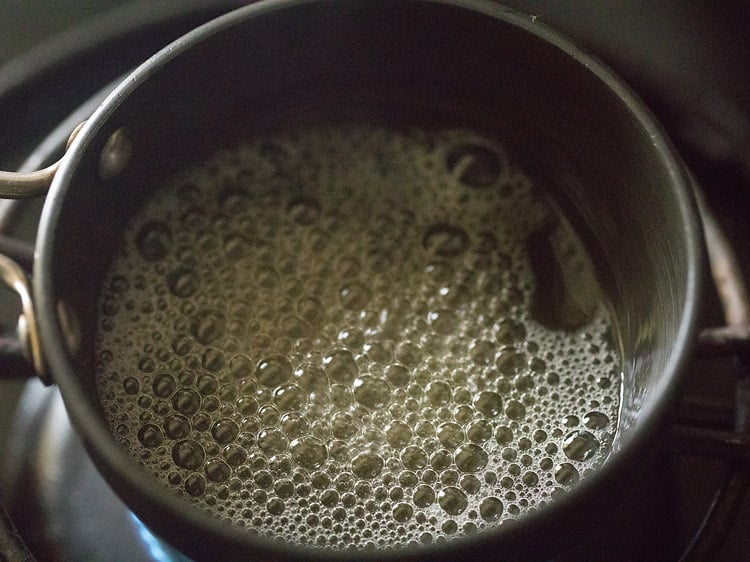
Simmer on a medium-low heat till it comes to a boil. Stir at intervals. You will see a frothy layer on top when the sambar begins boiling.
At this step switch off the heat. Cover and keep aside. Check the taste and add salt if needed.
Temper :
In a small pan or tadka pan, heat 2 tablespoons gingelly oil (oil made from raw sesame seeds).
You can even use sunflower oil, ghee or coconut oil instead. Add ½
Let the mustard seeds crackle on low heat.
Then add 1 to 2 dry red chillies (halved and seeds removed).
About Gobi Masala : Cauliflower or gobi in Hindi, is available throughout the year in many parts of the country. But I will still say that the flavors that develop in this recipe of Gobi Masala with the winter special cauliflower is something else altogether. That’s the reason, this particular dish is more of a specialty during the chilly winters in North India. It is true that cauliflower is a versatile vegetable that can be used in myriad ways to create some of the most stunning and delicious dishes. For instance, one of the most celebrated dishes is roasted tender whole cauliflowers in a creamy makhani gravy, also known as gobi musallam. I think it comes a second favorite of mine, to this restaurant style Cauliflower Masala. I hope to develop the recipe and share it soon! This Gobi Masala is liked by everyone else as well at my home. Since the day I had developed this version of the recipe, everyone actually prefers having it at home rather than stepping out and heading to a restaur...
BEUTIFUL SOFT FLUFFY REDVELVET CAKE INGREDIENTS : • 3 Egg • Sugar • Butter • Honey • Venilla extract • Cheese cream • Food colour • Cake flour • Red rice flour • Coco powder • Pince of salt • One table of lemon juice • Baking powder • Baking soda • Milk PREPARATION : • Start by preheating your stove to 160°C fan constrained, and oil or potentially line two 8 inch cake dish (I like to utilize my custom made cake discharge). I...
Healthy of 20 variety of different type of fruits and benefits of fruits nutritious: 12 most nutritiou fruits: Eating a range of healthful fruits provides the body with nutrients and antioxidants that can boost overall health. Good choices include oranges, blueberries, apples, avocados, and bananas, but there are many more to choose from. Fruits are an excellent source of essential vitamins and minerals, and they are high in fiber. Fruits also provide a wide range of health-boosting antioxidants, including flavonoids. Eating a diet high in fruits and vegetables can reduce a person’s risk of developing heart disease, cancer, inflammation, and diabetes. Citrus fruits and berries may be especially powerful for preventing disease. This article looks at the nutrition and the many and varied health benefits of these and other fruits. 1. Lemons Lemons are a citrus fruit that people often use in traditional remedies because of their health benefits. Like other citrus fruits, t...